Classic Hollandaise Sauce Recipe
Introduction
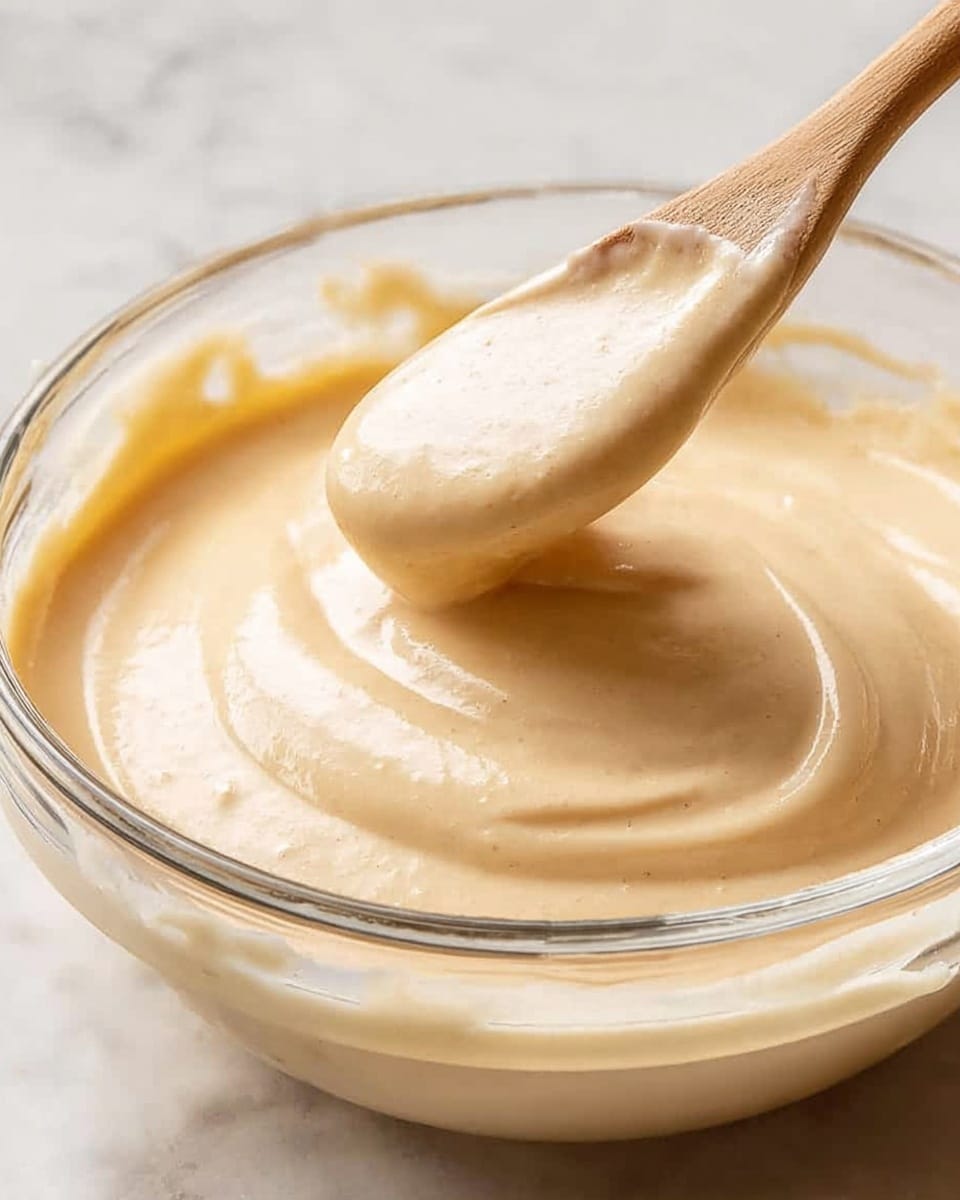
Hollandaise sauce is a classic, creamy accompaniment known for its rich, buttery flavor and subtle lemony brightness. Perfect for drizzling over eggs Benedict, steamed vegetables, or fish, this simple blender method makes it quick and easy to prepare at home.
Ingredients
- 3 egg yolks (from large eggs, 55-60g / 2 oz each)
- 1/4 tsp cayenne pepper (or white pepper)
- 1/4 tsp salt
- 1 1/2 tbsp lemon juice, plus more to taste
- 1 1/2 tbsp water
- 175 g (1 1/2 sticks) unsalted butter, cut into 1.5 cm (1/2″) cubes
Instructions
- Step 1: Place the egg yolks in a tall, narrow container that fits a stick blender fully to the base.
- Step 2: Add the water, lemon juice, cayenne pepper, and salt to the yolks. Blitz briefly with the stick blender to combine.
- Step 3: Melt the butter in a heatproof jug until hot, either in the microwave (careful to avoid splattering) or on the stove.
- Step 4: Let the melted butter stand for about 15 seconds until the milky white solids settle at the bottom of the jug.
- Step 5: With the stick blender running on high, slowly pour the clear yellow butter in a thin stream into the egg mixture over about 45 seconds. Avoid pouring in the milky solids; leave approximately 1 1/2 tablespoons behind.
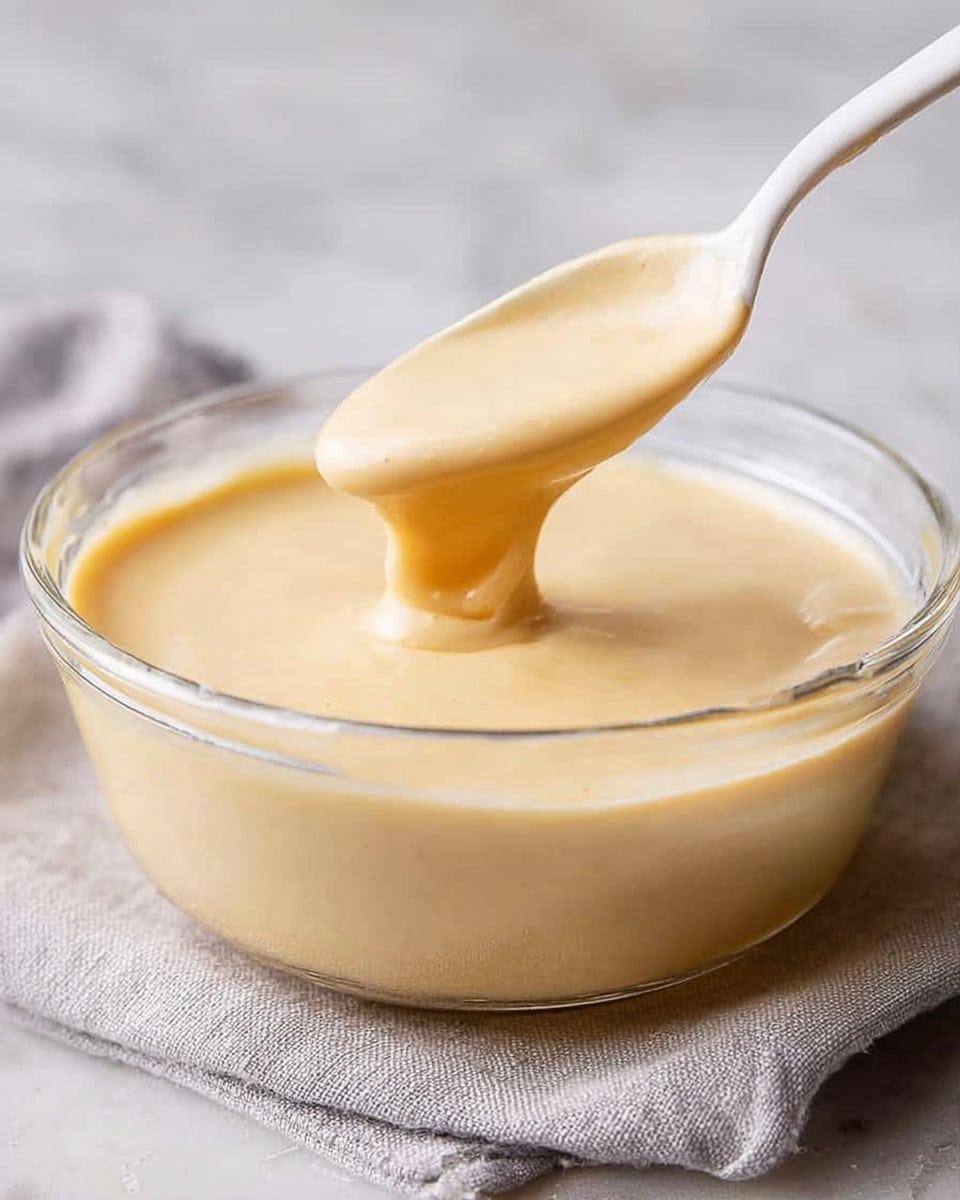
- Step 6: Once all the butter is added, blend for an additional 10 seconds, moving the blender stick up and down to achieve a thick, creamy, smooth, and pale yellow sauce.
- Step 7: If the sauce is too thick, stir in warm tap water one teaspoon at a time until reaching desired consistency.
- Step 8: Adjust salt to taste: add a little more if serving with mild foods like asparagus, or keep as is for salty dishes like eggs Benedict, steak, or fish.
- Step 9: Adjust lemon juice to be slightly more tangy than desired if serving with rich dishes such as eggs Benedict, steak, or salmon, as the flavor will mellow when eaten. For lighter dishes like asparagus, adjust to your perfect lemon balance.
- Step 10: Use the sauce immediately or keep warm covered with a tea towel for up to 15 minutes. Serve warm or at room temperature. To loosen the sauce if needed, stir in warm tap water.
Tips & Variations
- Use clarified butter to avoid the milky solids completely, which can create a smoother sauce with less risk of separation.
- For a spicy twist, add a pinch of smoked paprika or a drop of hot sauce.
- If the sauce starts to separate, whisk in a teaspoon of warm water to bring it back together.
- Fresh lemon juice yields the best flavor, but bottled lemon juice can be used in a pinch.
Storage
Hollandaise sauce is best enjoyed fresh and does not store well. If necessary, keep it warm and covered for up to 15 minutes. Reheating is delicate; gently warm it in a double boiler while whisking continuously to prevent curdling. Avoid microwave reheating, as it can easily overcook the sauce.
How to Serve
Serve this delicious recipe with your favorite sides.
FAQs
Can I make hollandaise sauce ahead of time?
It’s best to prepare hollandaise sauce just before serving. It can be kept warm for 15 minutes covered, but storing for longer periods often leads to separation and loss of texture.
How can I fix a hollandaise sauce that has split?
If your sauce separates, whisk in a teaspoon of warm water slowly and vigorously. This often helps to re-emulsify the sauce. If not, start with a fresh egg yolk and slowly whisk in the broken sauce to bring it back together.
Print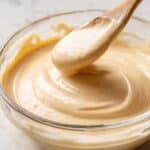
Classic Hollandaise Sauce Recipe
- Total Time: 10 minutes
- Yield: Approximately 1 cup (serves 4) 1x
Description
A classic French Hollandaise sauce made with egg yolks, melted butter, lemon juice, and a hint of cayenne pepper, blended to a smooth, creamy, and tangy accompaniment perfect for dishes like Eggs Benedict, asparagus, steak, or salmon.
Ingredients
Hollandaise Sauce Ingredients
- 3 large egg yolks (55-60g / 2 oz each)
- 1/4 tsp cayenne pepper (or white pepper)
- 1/4 tsp salt
- 1 1/2 tbsp lemon juice, plus more to taste
- 1 1/2 tbsp water
- 175 g (1 1/2 sticks) unsalted butter, cut into 1.5 cm / 1/2″ cubes
Instructions
- Prepare the egg mixture: Place the egg yolks in a tall, narrow container that fits the blender stick all the way to the bottom. Add the water, lemon juice, cayenne pepper, and salt. Blitz briefly to combine all ingredients smoothly.
- Melt the butter: Melt the butter in a heatproof jug until hot, being cautious if using a microwave to avoid boiling over. Alternatively, melt on the stove then pour into a jug.
- Clarify the butter: Let the melted butter stand for about 15 seconds so the milky white solids settle at the bottom of the jug. This ensures a clean butterfat layer for the sauce.
- Emulsify the sauce: With the blender running on high, slowly pour the hot clarified butter into the egg mixture in a thin stream over approximately 45 seconds, leaving behind about 1 1/2 tablespoons of milky solids. The sauce should thicken, become creamy, smooth, and pale yellow.
- Finish blending: Blitz the sauce for an additional 10 seconds, moving the blender stick up and down to incorporate air and ensure a smooth texture.
- Adjust thickness: If the sauce is too thick, add warm tap water one teaspoon at a time, mixing gently until desired consistency is reached.
- Season to taste: Adjust salt for the final dish; add extra salt for less salty food like asparagus, or leave as is for salty dishes like Eggs Benedict or steak. Adjust lemon juice to be slightly more tangy than desired if serving with rich foods to balance flavors.
- Serving and storage: Use the sauce immediately or keep warm covered with a tea towel for up to 15 minutes. It can be served warm or at room temperature. To loosen, stir in warm tap water as needed. For storage and reheating, see note recommendations.
Notes
- Use fresh, high-quality large eggs for best consistency and flavor.
- Clarifying the butter by letting the milk solids settle improves the texture and stability of the sauce.
- Ensure the butter is hot but not boiling to avoid scrambling the eggs during emulsification.
- If the sauce separates or is too thick, gently whisk in warm water to bring it back together.
- Hollandaise sauce is best used fresh but can be kept warm for a short time; do not reheat directly on high heat to prevent curdling.
- Prep Time: 5 minutes
- Cook Time: 5 minutes
- Category: Sauce
- Method: Blending
- Cuisine: French
Keywords: Hollandaise sauce, classic sauce, French sauce, Eggs Benedict sauce, creamy lemon butter sauce